
Flexible rotary dies, etched to your layout
A flexible die is a thin steel sheet whose cutting rules are left standing while the surrounding metal is etched away. It wraps onto a magnetic cylinder and cuts labels on a rotary press. Because the whole sheet is etched at once, the die costs the same whether it carries one simple rectangle or a hundred ornate contours with perforation lines. We have been etching dies in Beijing since 2003.
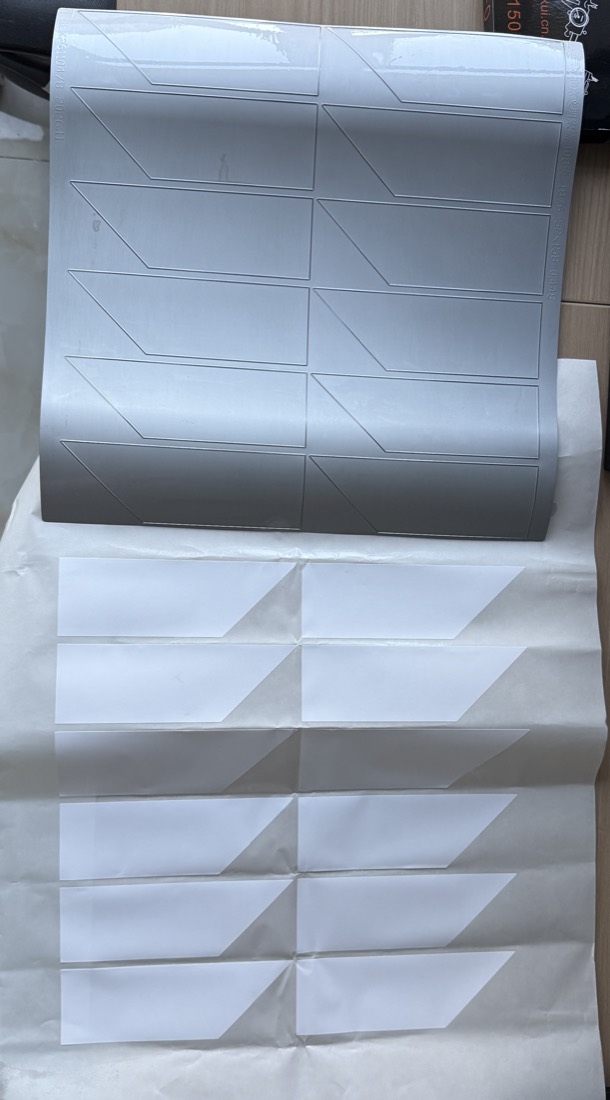
What one die can do in a single pass
Every line on your layout is etched at the same time and to its own depth, so one die handles jobs that would otherwise need several operations:
| Feature | What it does |
|---|---|
| Through cut | Cuts the label and the backing, for sheeted or singulated work |
| Kiss cut | Cuts the face stock and adhesive only, leaving the liner intact |
| Perforation | Broken rule for tear-off strips, coupons and booklet labels |
| Punch holes | Small round or shaped holes for hanging, registration or venting |
| Scoring and crease | Shallow rule that folds rather than cuts |
| Waste-matrix lines | Lines that help the waste web strip cleanly at speed |
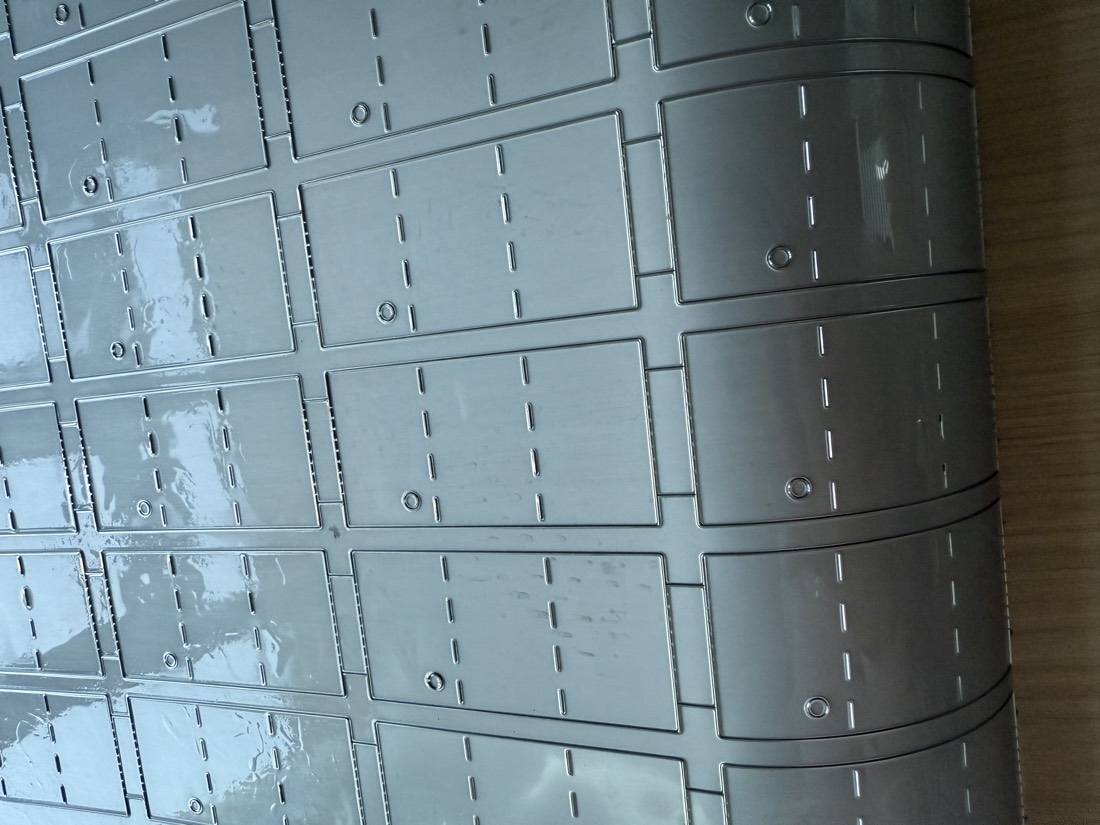
Why etched rather than machined
- Complexity is free. An ornate contour with fifty changes of direction etches in the same pass as a plain rectangle, so the shape does not drive the price.
- No hard tooling. A revision needs a new phototool, not a new cutter, which is why short runs and seasonal label changes stay economical.
- Repeatable across the sheet. Every lane comes from the same phototool, so the cut is the same on the first lane and the last.
- Thin and conformable. The die wraps to the cylinder without being forced, so it seats flat and cuts evenly across the web.
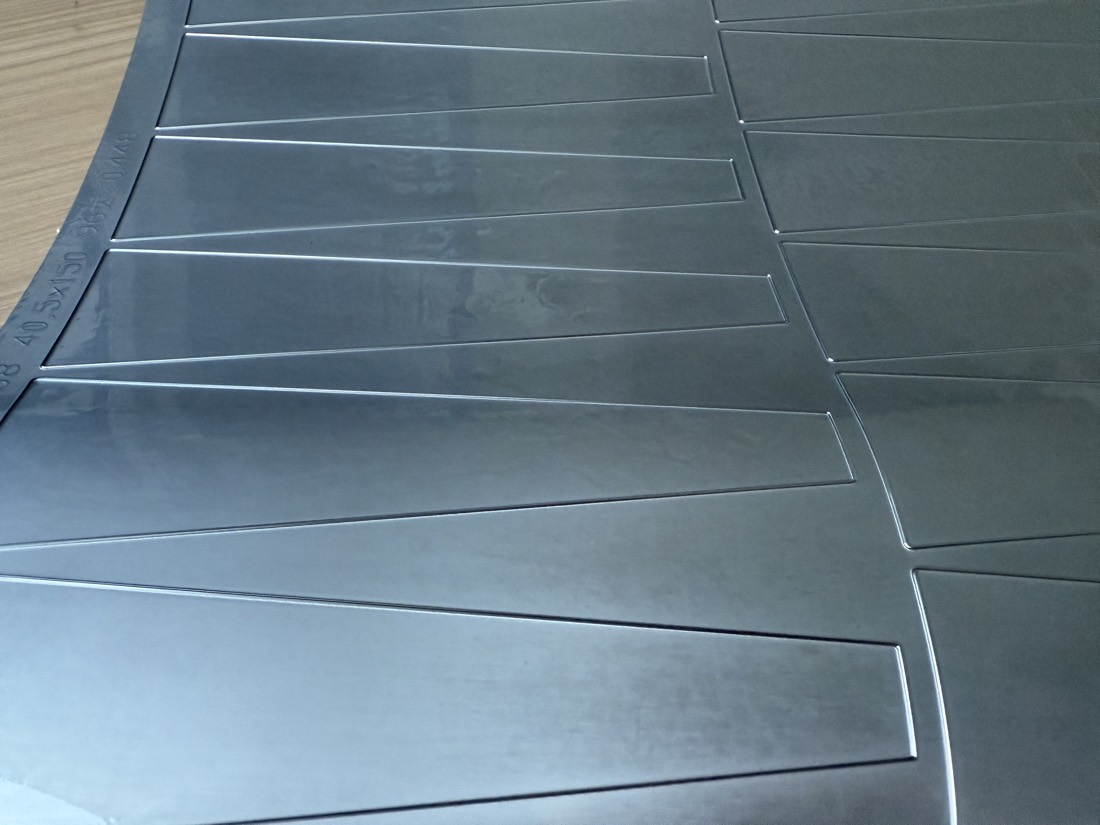
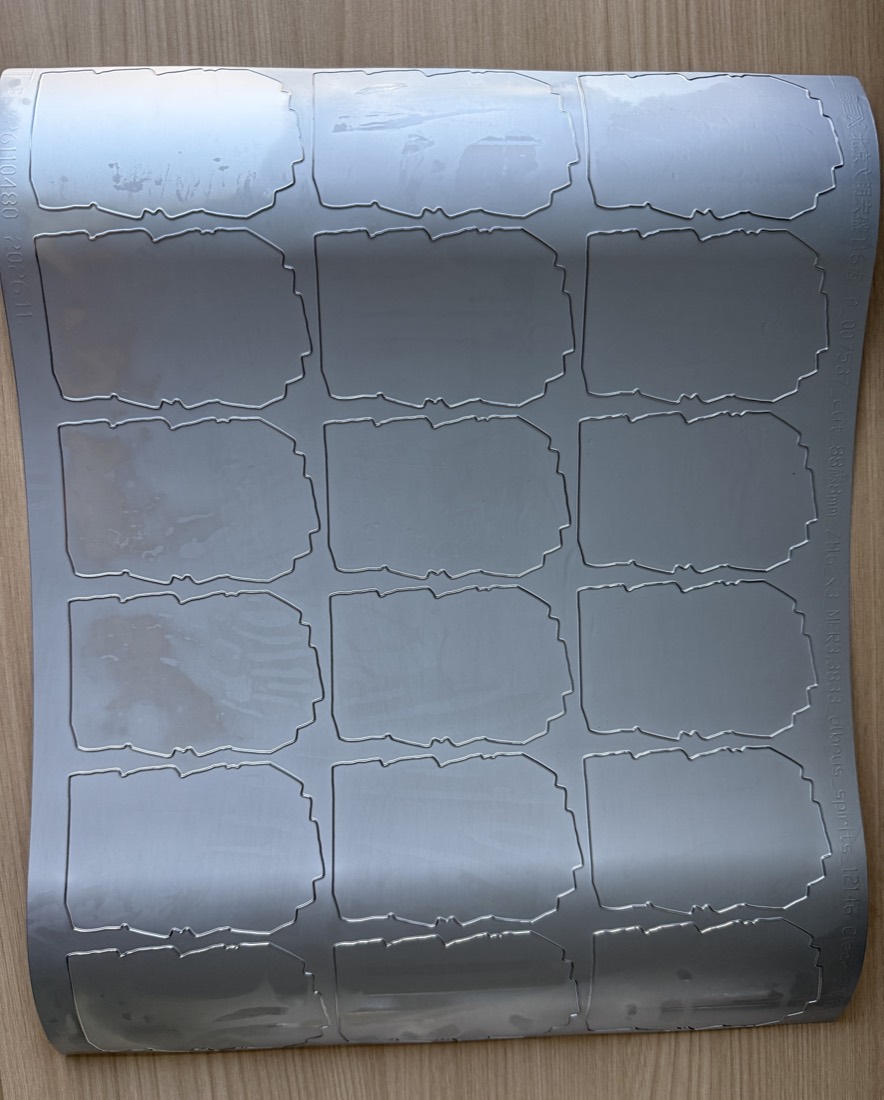
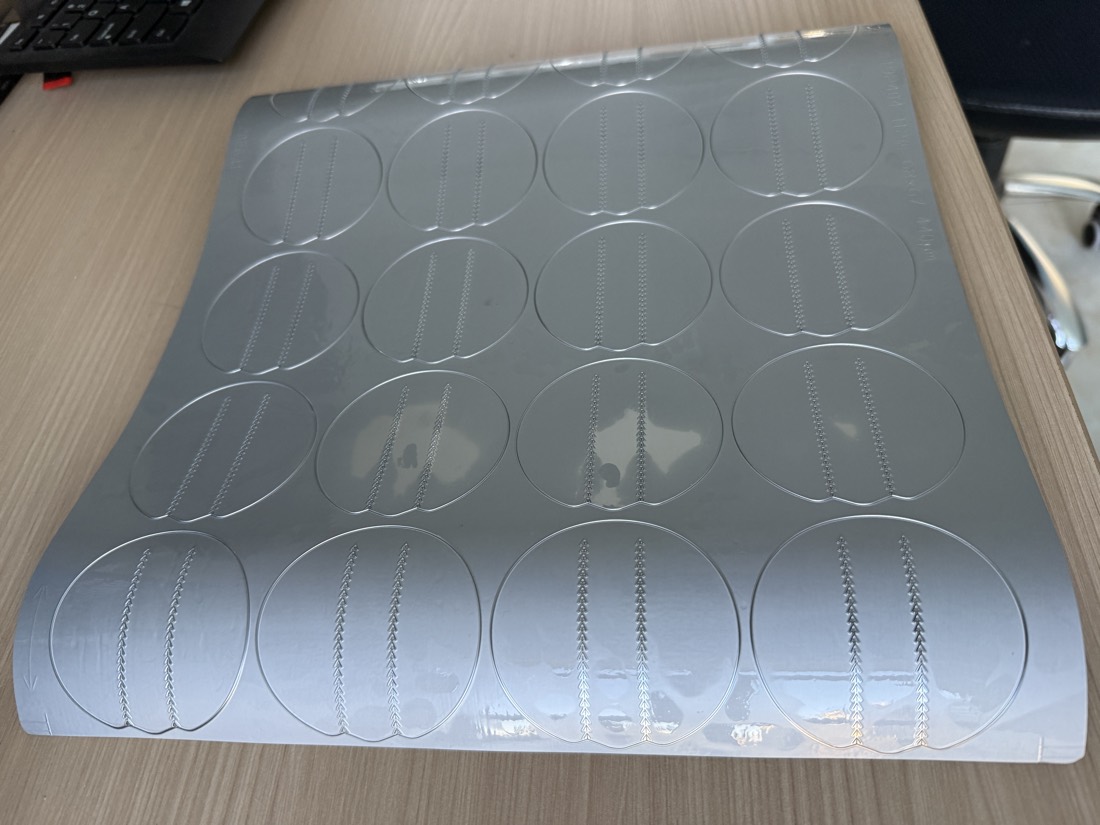
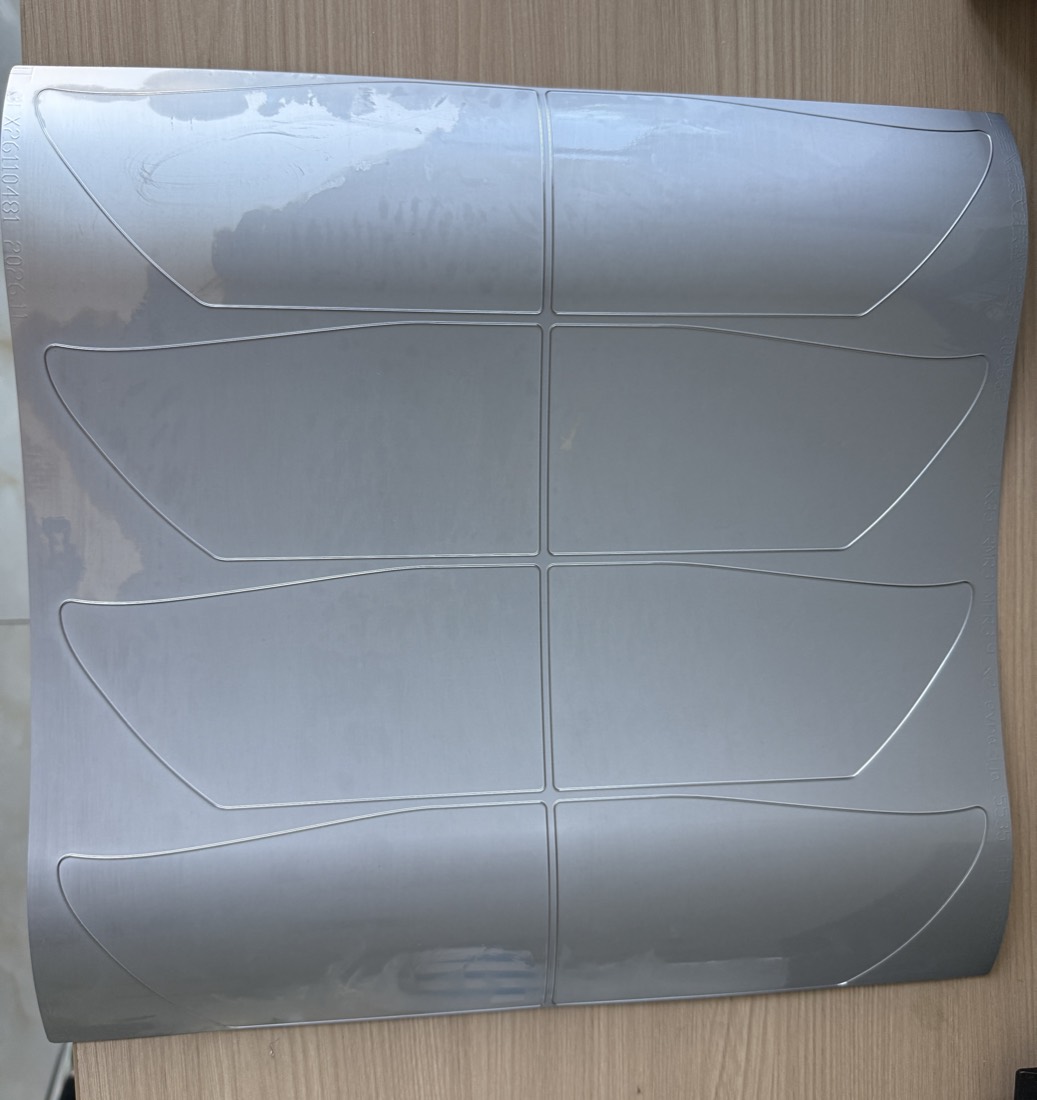
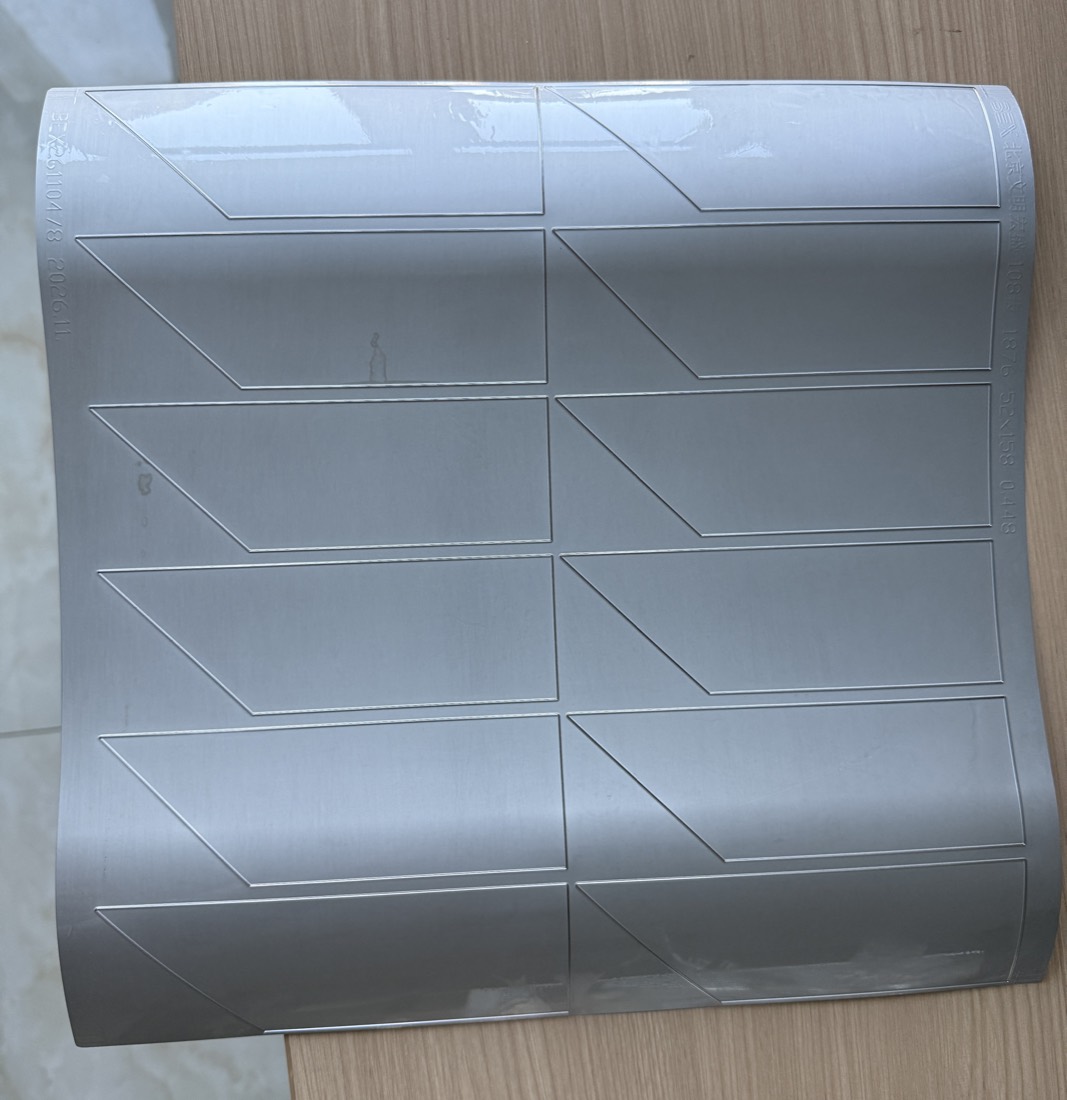
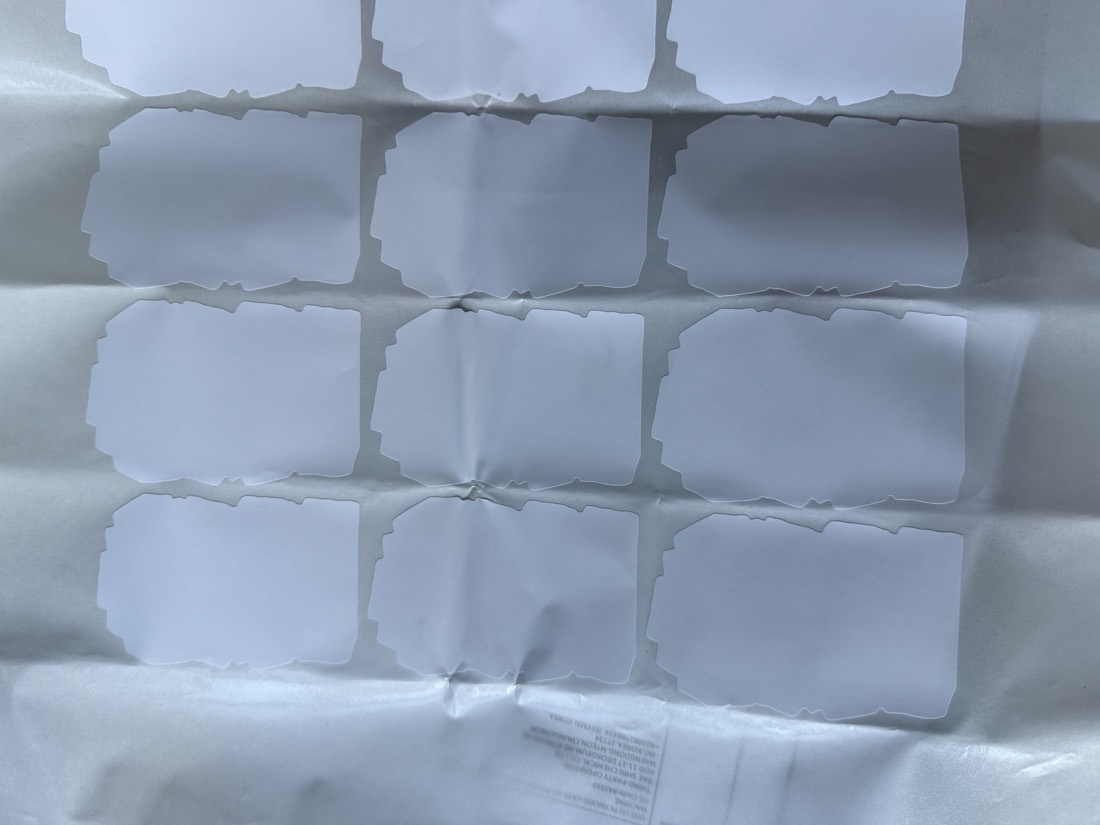
Shapes we cut
Anything your layout draws. These are dies we have made:
What we need from you
| Item | Why it matters |
|---|---|
| Die layout (DXF, DWG, AI or PDF) | The cut, kiss-cut, perforation and punch lines, on separate layers if possible |
| Repeat and across dimensions | Sets the sheet size and how the die wraps the cylinder |
| Number of lanes and labels up | Decides the nesting and the waste matrix |
| Material being cut | Paper, film, foil or laminate: this changes the rule profile needed |
| Machine and cylinder | Press make, model and magnetic cylinder repeat [待补充] |
| Blade height required | [待补充] — tell us the height your press needs |
Tolerance on the etched profile can be held to ±0.01 mm, depending on material thickness and part size. Each die is marked on the edge with its dimensions and job reference so it can be identified on the shelf.
Related
Request a quote
Send the die layout as DXF, DWG, AI or PDF with the repeat and across sizes, the number of lanes, the material you are cutting and the machine the die runs on. Tell us which lines are cut, which are kiss-cut and which are perforation. We check the layout before making the phototool. Sample lead time is typically 3 to 7 working days. Artwork is treated as confidential. Send it through our contact page.
Flexible rotary dies: FAQ
What is a flexible die?
A flexible die is a thin steel sheet with the cutting rules left standing and the surrounding metal etched away. It wraps onto a magnetic cylinder on a rotary press and cuts labels as the web runs through. It is called flexible because the sheet bends to the cylinder rather than being a solid machined cylinder.
Can one die cut, kiss-cut and perforate at the same time?
Yes. Each line on your layout is etched to its own depth in the same operation, so a single die can carry through cuts, kiss cuts, perforation and punch holes. Mark on the layout which line is which, ideally on separate layers.
Does a complicated label shape cost more?
No. The whole sheet is etched in one pass, so an ornate contour with many corners takes the same etching time as a plain rectangle of the same size. What drives the price is the sheet size and the steel thickness, not the shape.
What do you need to quote a flexible die?
The die layout as DXF, DWG, AI or PDF, the repeat and across sizes, the number of lanes, the material you are cutting, and the press and magnetic cylinder the die runs on. Tell us the blade height your machine needs.
How long does a flexible die take?
Sample lead time is typically 3 to 7 working days after the layout is confirmed. There is no hard tooling to build, so a revised layout only needs a new phototool.