
Glass etching

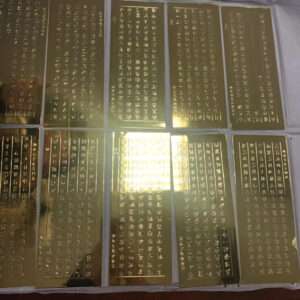
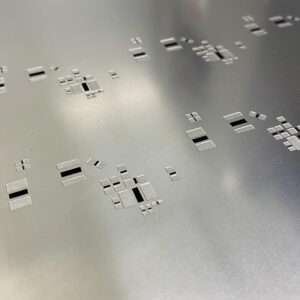
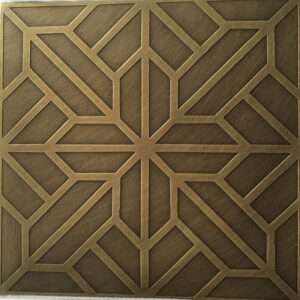
Glass etching technology has a wide range of applications, including art production, home decoration, jewelry, LED packaging technology, lighting and display equipment manufacturing, and other fields.
Glass chemical etching: how it works and where it is used
Glass chemical etching uses a masked, hydrofluoric-acid-based etchant to dissolve the glass surface in selected areas. The protected areas stay clear and smooth, while the exposed areas are frosted, textured or cut to a controlled depth.
Chemical etching compared with sandblasting and laser marking
- Uniform finish: the etchant acts on the whole exposed area at once, so large batches have a consistent, fine-grained surface.
- No micro-cracks: there is no mechanical impact or local heating, so the glass keeps its strength.
- Fine detail: the pattern comes from a photographic mask, so small text, logos and fine textures reproduce accurately.
Typical applications
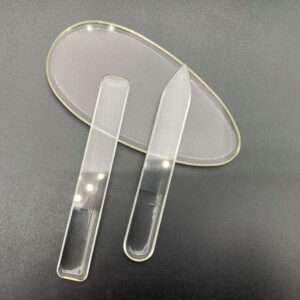
Etched glass is used for glass nail files, decorative panels and art glass, jewellery, lighting and display components, and LED packaging. The abrasive surface of a glass nail file, for example, is produced by etching rather than by bonding grit to the glass, which is why it does not wear off.
What we need to quote
Glass type and thickness, the pattern or texture area, the required etch depth or roughness, and the quantity.
See our glass nail file etching product for an example.
To get a quotation, send your drawing (DXF, DWG, STEP or PDF) with the material grade, thickness and quantity through our contact page. We check manufacturability against the drawing before tooling. For the full workflow, see the etching process step by step.